Open Concept Kitchen Designs for Summit County Homes
Open Concept Kitchen Designs for Summit County Homes: Sustainable Remodeling and Modern Layouts
Open concept kitchen designs have become increasingly popular among homeowners in Summit County, blending functionality with aesthetic appeal. These designs create a seamless flow between the kitchen and adjacent living spaces, making them ideal for both entertaining and everyday family life. In this article, we will explore the key features of open concept kitchens, the sustainable remodeling practices that enhance their appeal, and the modern layout options that can transform your home. As homeowners seek to create inviting and efficient spaces, understanding the benefits of these designs is essential. We will also discuss how to choose sustainable materials and finishes, the importance of energy-efficient appliances, and the local building codes that may affect your remodeling project.
Sustainable Remodeling Practices

Sustainable remodeling practices focus on using eco-friendly materials and energy-efficient solutions to create beautiful and functional spaces. These practices not only reduce environmental impact but also enhance the overall quality of life for homeowners. Key aspects of sustainable kitchen remodeling include the use of durable materials, energy efficiency considerations, and waterproofing techniques.
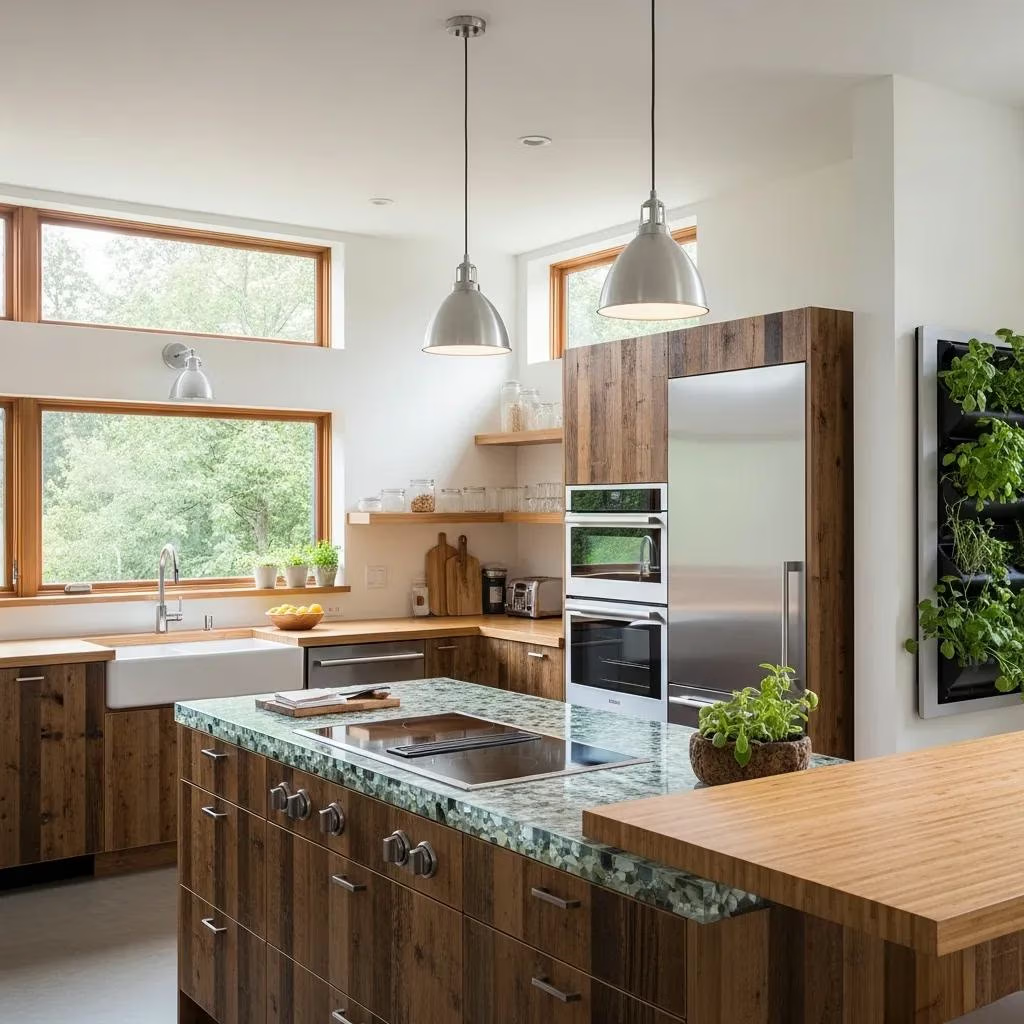
Natural Builders LLC specializes in sustainable kitchen remodeling, emphasizing open concept designs that integrate natural materials and energy-efficient solutions. By choosing sustainable materials, homeowners can create kitchens that are not only stylish but also environmentally responsible.
Modern Layout Options
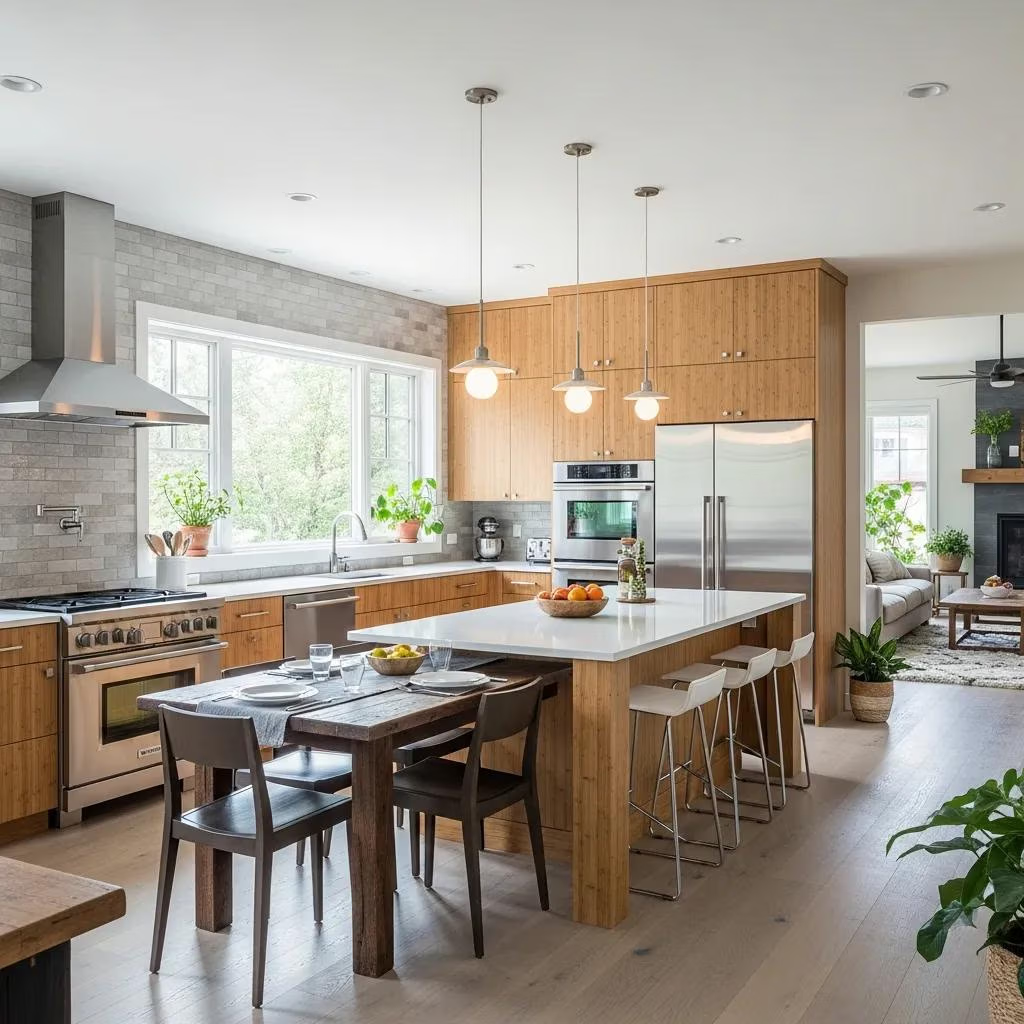
Modern layout options for kitchens are designed to maximize space and functionality while maintaining a cohesive aesthetic. Open-concept designs are particularly beneficial, as they allow for fluid transitions between spaces, making the kitchen a central hub for family gatherings and social interactions. Central islands are a popular feature in these layouts, providing additional workspace and seating.
Natural Builders LLC has extensive experience in creating open concept designs that enhance the flow of your home. Their expertise ensures that your kitchen not only meets your functional needs but also reflects your personal style.
Functionality and Aesthetics
Balancing functionality and aesthetics is crucial in kitchen design. Smart storage solutions, such as pull-out cabinets and built-in shelving, can help maximize space while maintaining a clean and organized appearance. Additionally, choosing durable finishes that withstand the rigors of mountain living is essential for long-lasting beauty.
Incorporating cohesive aesthetics with the rest of the home can create a harmonious environment that feels inviting and comfortable. This balance is key to achieving a kitchen that is both practical and visually appealing.
What Are the Key Features of Open Concept Kitchen Designs in Summit County?
Open concept kitchen designs in Summit County typically feature several key elements that enhance their functionality and appeal:
- Fluid Transitions Between Spaces: Open layouts allow for easy movement between the kitchen, dining, and living areas, promoting social interaction.
- Central Islands for Gathering: Islands serve as multifunctional spaces for cooking, dining, and entertaining, making them a focal point in the kitchen.
- Durable Materials for Mountain Conditions: Using materials that can withstand the local climate ensures longevity and reduces maintenance needs.
These features make open concept kitchens a popular choice for homeowners looking to create inviting and functional spaces.
How Do Open Floor Plans Enhance Kitchen Functionality and Space?
Open floor plans enhance kitchen functionality by creating a sense of spaciousness and improving social interaction. The absence of walls allows for better flow and visibility, making it easier to engage with family and guests while cooking. Additionally, natural light can penetrate deeper into the home, creating a brighter and more inviting atmosphere.
Research further supports the positive impact of open kitchen concepts on consumer experience and social dynamics.
Consumer Views on Open Kitchen Concepts
Overall, respondents’ comments demonstrate their positive views about the open kitchen concept, including fun, entertainment, cleanliness, trust, and being able to see both the chefs (cooks) and the food being prepared. While clearly an open kitchen concept may not be appropriate, convenient or feasible in all hospitality scenarios, the findings suggest that many consumers do appreciate elements of the concept that can be experienced during the consumption of their meals.
Exploring consumers’ images of open restaurant kitchen design, AD Alonso, 2010
This design approach also allows for more flexible furniture arrangements, enabling homeowners to adapt their spaces to suit various activities, from casual family meals to formal gatherings.
Which Natural Materials Are Commonly Used in Sustainable Kitchen Designs?
Sustainable kitchen designs often incorporate natural materials that are both aesthetically pleasing and environmentally friendly. Commonly used materials include:
- Bamboo for Cabinetry: A rapidly renewable resource, bamboo is durable and adds a warm, natural look to kitchens.
- Reclaimed Wood for Aesthetics: Using reclaimed wood not only reduces waste but also adds character and history to the space.
- Low-VOC Paints for Health: Low-VOC paints improve indoor air quality, making them a healthier choice for home environments.
These materials contribute to a sustainable kitchen that aligns with eco-friendly values while providing a beautiful and functional space.
How to Choose Sustainable Materials and Finishes for Your Kitchen Remodel?
Choosing sustainable materials and finishes for your kitchen remodel involves considering both environmental impact and aesthetic appeal. Here are some tips to guide your selection:
- Opt for Local Materials: Sourcing materials locally reduces transportation emissions and supports the local economy.
- Prioritize Durability: Select materials that are long-lasting and require minimal maintenance to reduce waste over time.
- Consider Recycled Options: Look for products made from recycled materials, which can help minimize resource consumption.
By following these guidelines, homeowners can create kitchens that are not only beautiful but also environmentally responsible.
What Are the Benefits of Reclaimed Wood and Low VOC Paints?
Reclaimed wood and low-VOC paints offer several benefits for sustainable kitchen designs:
- Environmental Impact of Reclaimed Wood: Using reclaimed wood reduces the demand for new lumber, conserving forests and minimizing waste.
- Health Benefits of Low VOC Paints: Low-VOC paints emit fewer harmful chemicals, improving indoor air quality and creating a healthier living environment.
- Durability of Materials: Both reclaimed wood and low-VOC paints are often more durable than their conventional counterparts, providing long-lasting beauty and performance.
These materials not only enhance the aesthetic appeal of kitchens but also contribute to a healthier and more sustainable home.
How Do Sustainable Materials Contribute to Energy Efficiency?
Sustainable materials play a significant role in enhancing energy efficiency in kitchens. By selecting materials that provide better insulation and reduce energy consumption, homeowners can lower their utility bills and minimize their environmental footprint.
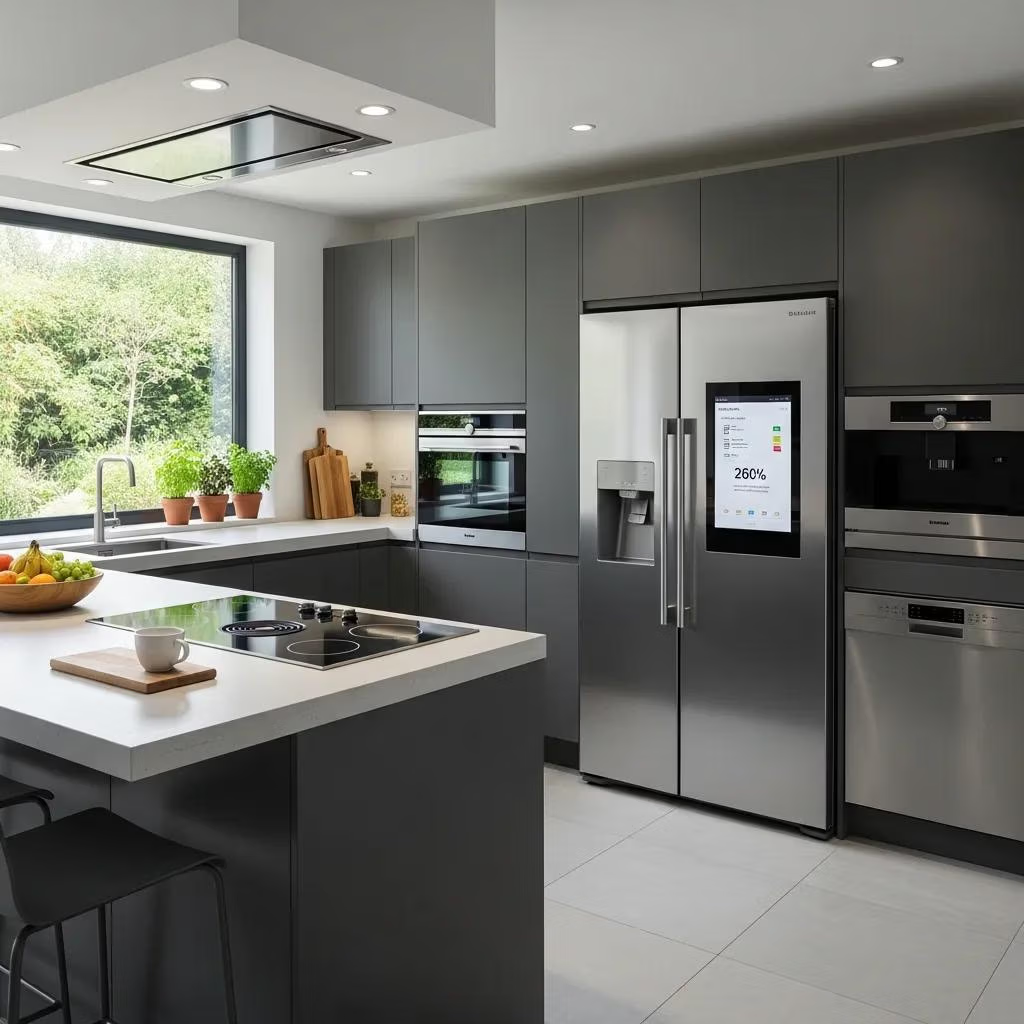
For example, using energy-efficient appliances and fixtures, such as LED lighting and ENERGY STAR-rated appliances, can significantly reduce energy usage. Additionally, incorporating natural materials that regulate temperature can help maintain a comfortable indoor climate, further enhancing energy efficiency.
What Energy Efficient Appliances and Lighting Options Suit Summit County Kitchens?
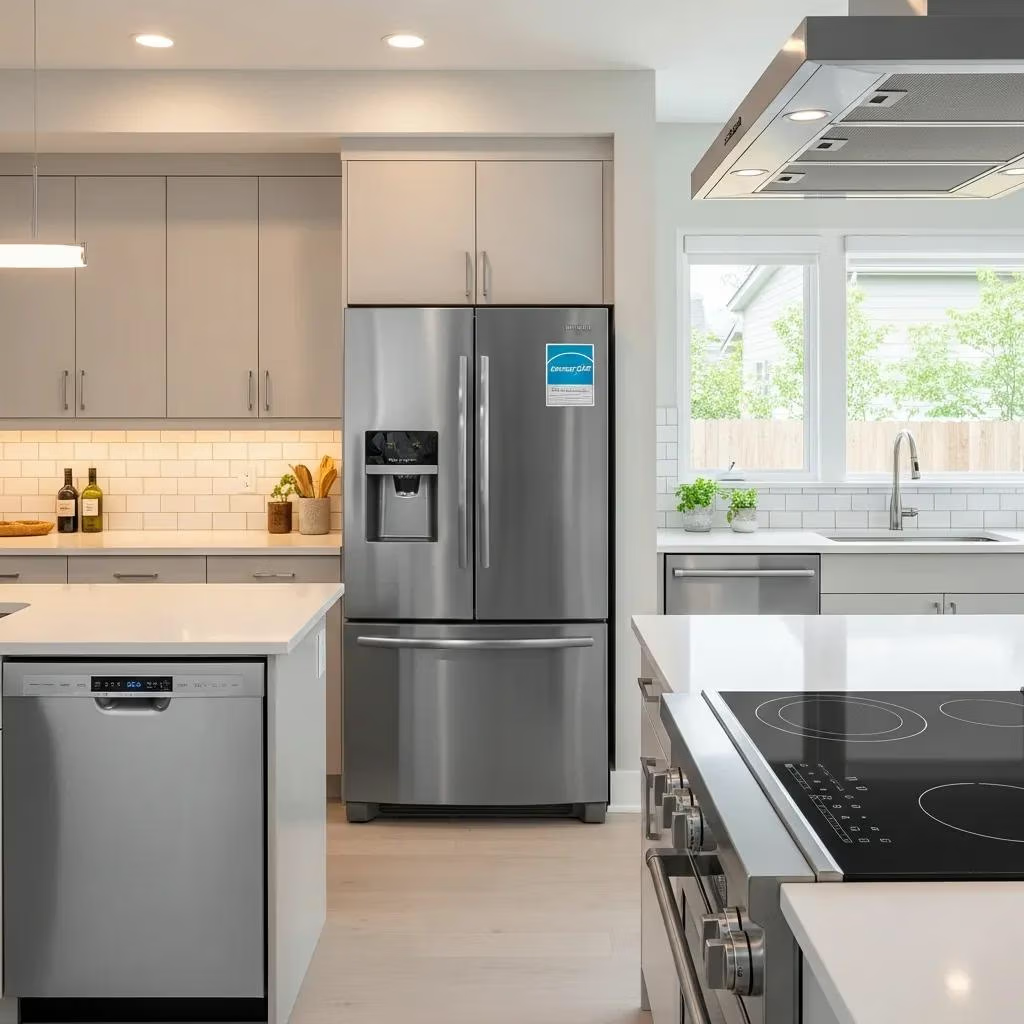
When selecting energy-efficient appliances and lighting for Summit County kitchens, consider the following options:
- Types of Energy-Efficient Appliances: Look for appliances with ENERGY STAR ratings, which indicate superior energy performance.
- Benefits of LED Lighting: LED lights consume less energy and have a longer lifespan compared to traditional bulbs, making them a cost-effective choice.
- Smart Lighting Options: Incorporating smart lighting systems allows for better control over energy usage, enabling homeowners to adjust lighting based on their needs.
These choices not only contribute to a more sustainable kitchen but also enhance the overall functionality and comfort of the space.
Which Appliances Offer the Best Energy Ratings for Eco Friendly Kitchens?
When choosing appliances for eco-friendly kitchens, consider those with the highest energy ratings. Some top-rated options include:
- Refrigerators: ENERGY STAR-rated models that use advanced cooling technology to minimize energy consumption.
- Dishwashers: Efficient dishwashers that use less water and energy while providing excellent cleaning performance.
- Ovens and Ranges: Induction cooktops and convection ovens that offer faster cooking times and reduced energy usage.
Selecting these appliances can significantly lower energy costs while maintaining high performance in the kitchen.
How Can Lighting Design Improve Kitchen Efficiency and Ambiance?
Effective lighting design can greatly enhance kitchen efficiency and ambiance. Here are some strategies to consider:
- Layered Lighting Strategies: Combining ambient, task, and accent lighting creates a well-lit space that is functional and inviting.
- Natural Light Maximization: Incorporating large windows or skylights can flood the kitchen with natural light, reducing the need for artificial lighting during the day.
- Energy-Efficient Options: Utilizing LED fixtures and smart lighting controls can help manage energy consumption while providing the desired ambiance.
By thoughtfully designing the lighting in your kitchen, you can create a space that is both efficient and enjoyable to use.
What Local Building Codes and Permits Are Required for Kitchen Remodeling in Summit County?
When planning a kitchen remodel in Summit County, it is essential to understand the local building codes and permits required for your project. Compliance with these regulations ensures that your remodel meets safety and environmental standards.
Key considerations include:
- Compliance Requirements: Familiarize yourself with local codes regarding plumbing, electrical work, and structural changes.
- Eco-Friendly Material Considerations: Some codes may encourage or require the use of sustainable materials in construction.
- Design Considerations for Local Climate: Ensure that your design accounts for the unique climate conditions of Summit County, which can impact material selection and energy efficiency.
Navigating these regulations can be complex, but it is crucial for a successful remodeling project.
How Do Summit County Regulations Affect Sustainable Kitchen Renovations?
Summit County regulations play a significant role in guiding sustainable kitchen renovations. These regulations often emphasize safety, environmental protection, and energy efficiency.
Understanding the specific requirements can help homeowners make informed decisions about their remodeling projects. For instance, regulations may dictate the types of materials that can be used or the energy efficiency standards that must be met.
By adhering to these guidelines, homeowners can ensure that their renovations not only comply with local laws but also contribute to a more sustainable future.
What Is the Process to Obtain Permits for Open Concept Kitchen Projects?
Obtaining permits for open concept kitchen projects involves several steps:
- Necessary Approvals: Identify the specific permits required for your project, which may include building, electrical, and plumbing permits.
- Documentation Required: Prepare the necessary documentation, including plans and specifications for the remodel.
- Timeline for Permits: Be aware of the typical timeline for permit approval, which can vary based on the complexity of the project and local regulations.
By understanding this process, homeowners can streamline their remodeling efforts and ensure compliance with local codes.