Natural vs Conventional Materials: Healthier, Sustainable Homes
Natural vs Conventional Materials: Healthy Home Showdown
For many homeowners, building is no longer just about square footage or style. It is about how the home feels, what is in the walls, and whether the space supports long-term health and comfort. Natural building materials and conventional materials can lead to very different living experiences. This article compares indoor air quality, durability, maintenance, comfort, and long-term value so you can choose the right path for your home.
How Do Natural Building Materials Compare to Conventional Materials?
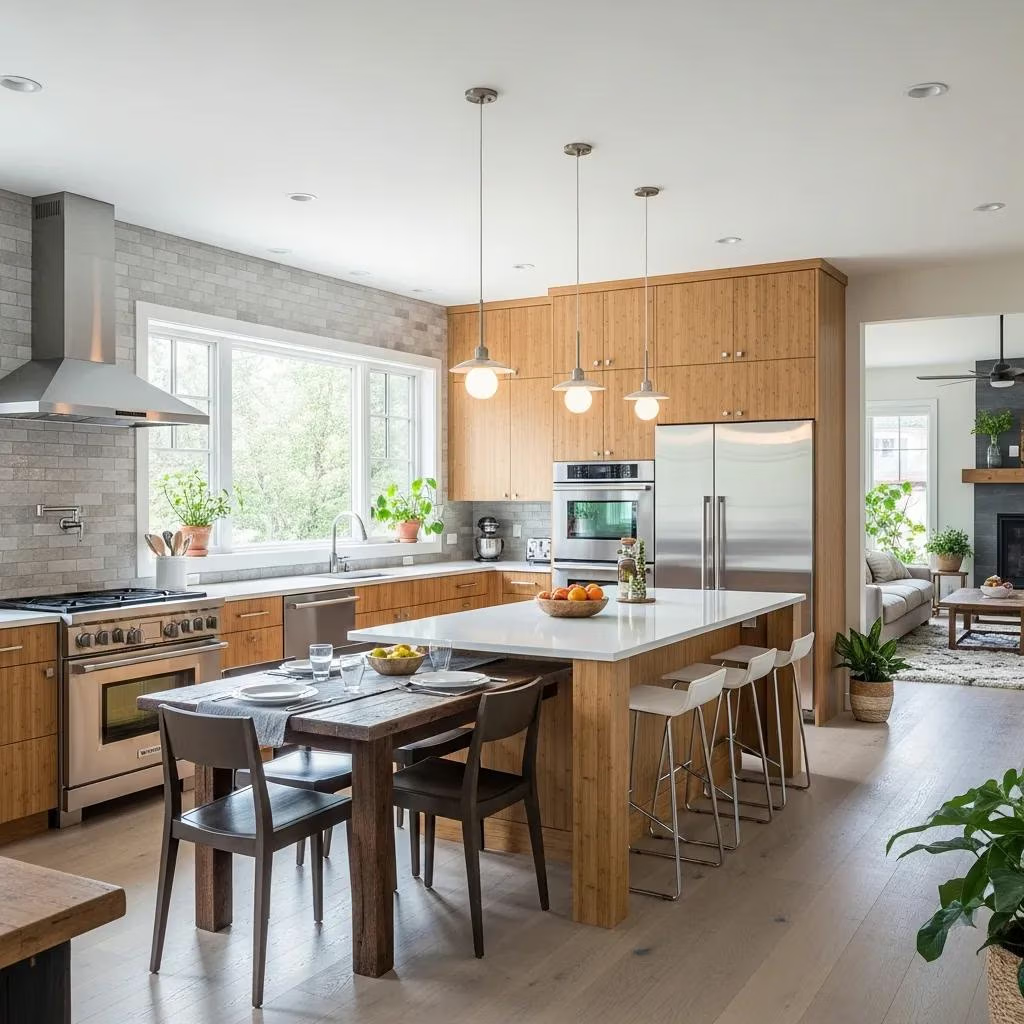
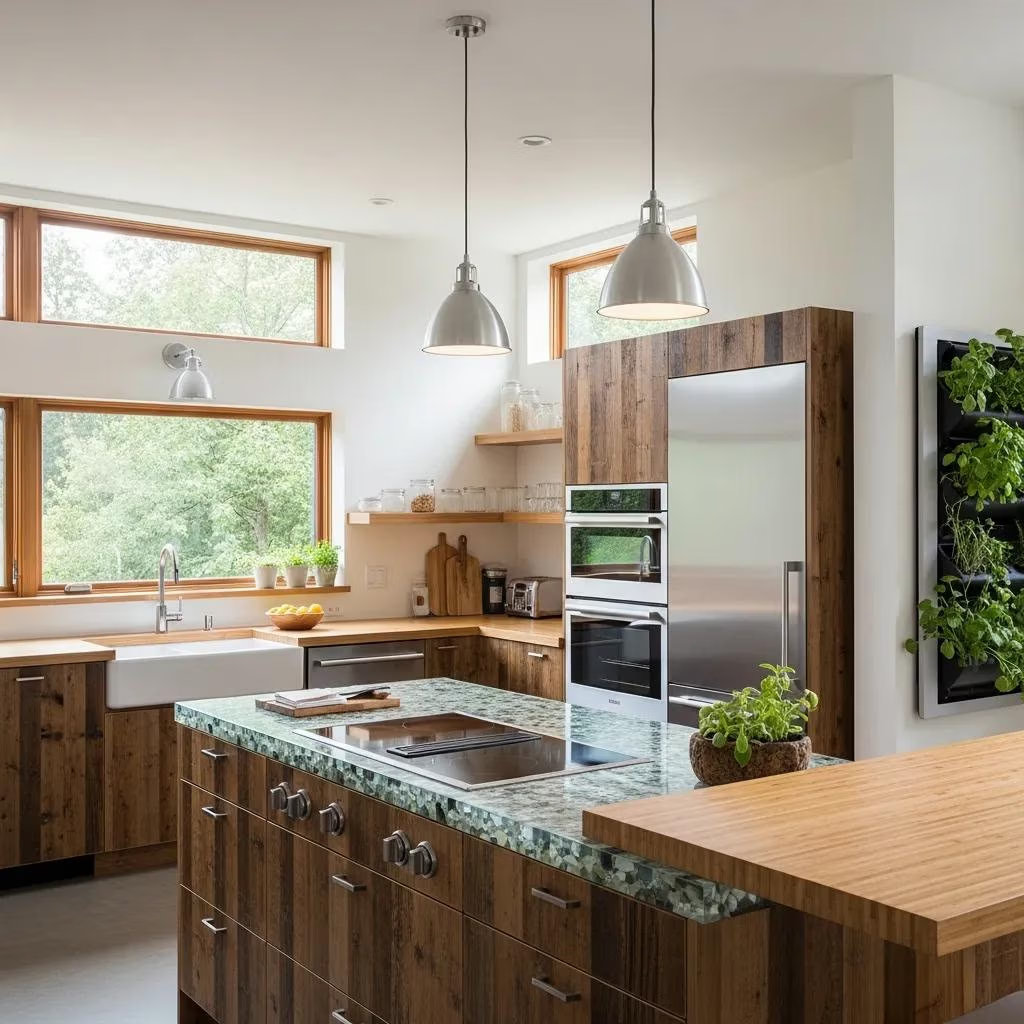
Natural building materials are chosen for their simplicity, lower toxicity, and ability to create a more breathable, grounded living space. Materials like clay plaster, lime plaster, natural wood, stone, and other low-tox finishes are often used to reduce harmful chemicals in the home. Conventional materials are widely available and often cheaper upfront, but many include synthetic compounds, adhesives, and finishes that may affect indoor air quality.
Homeowners who choose natural materials are often looking for more than looks. They want a home that feels cleaner, calmer, and safer to live in every day.
Home Building Trends: Why Homeowners Are Choosing Natural Materials
Many homeowners are asking harder questions than they did in the past. They want to know what their flooring, paint, insulation, and finishes are made of. They are more aware of indoor air quality, chemical exposure, and the long-term effects of building choices.
That shift is changing the way people think about materials. Instead of picking products based only on cost or appearance, more homeowners are looking for materials that support better health, lower maintenance, and a more natural living environment.
What Are the Health Benefits of Natural Building Materials?
Natural building materials are often chosen because they can help create a healthier indoor environment. Many contain fewer synthetic chemicals and fewer strong odors than standard materials. Some can also help with moisture balance, which supports comfort and can reduce the risk of damp indoor conditions.
For families who care about clean air, fewer toxins, and a more comfortable home, natural materials can be an important part of the solution.
How Do Conventional Materials Affect Indoor Living Spaces?
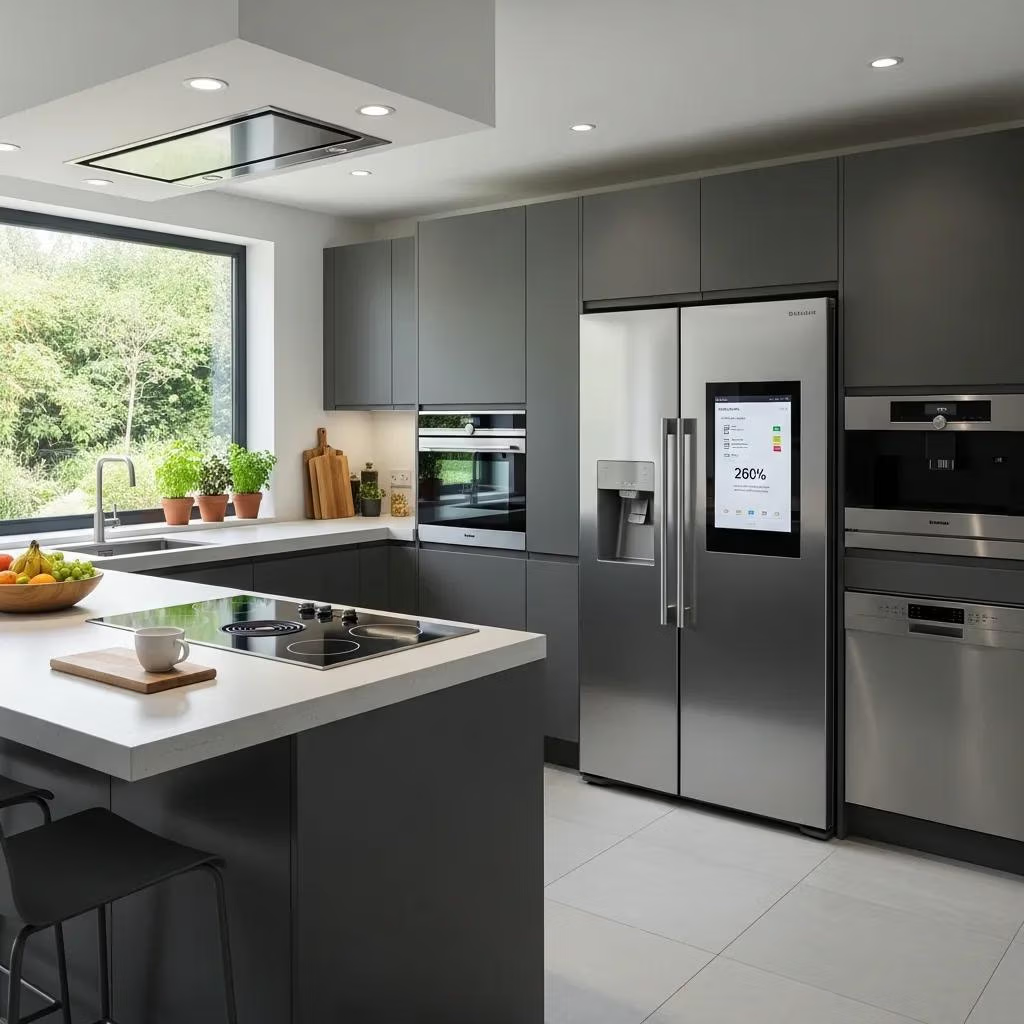
Conventional materials can still create beautiful homes, but they often rely on manufactured products, chemical binders, and coatings that may introduce unwanted compounds into indoor spaces. In some cases, these materials can trap moisture, wear down unevenly, or need replacement sooner than expected.
That does not mean every conventional product is bad. But it does mean homeowners need to look closer. What seems normal in modern construction is not always the best fit for a healthy, low-tox home.
What Maintenance Is Required for Natural vs Conventional Materials?
Maintenance depends on the exact material, but many natural finishes are easier to repair over time because they can be patched, renewed, or refreshed without replacing the entire surface. Conventional materials may seem simple at first, but once damaged, they often require more invasive repairs or full replacement.
A well-designed natural home is often built with long-term care in mind. Instead of choosing materials that hide wear until failure, it uses materials that can age with character and be maintained more simply.
How Do Natural Materials Reduce Long-Term Repair Needs?
Natural materials can reduce long-term repair needs in several ways. Many are breathable, which helps manage moisture rather than trap it. Some are easier to patch when scratched or damaged. Others age in a way that looks natural rather than worn out.
That can mean less waste, fewer major replacements, and a home that stays beautiful with thoughtful upkeep instead of constant fixes.
What Are Effective Ways to Care for Natural Building Materials?
To get the best life from natural materials, homeowners should follow a few simple practices:
Regular Cleaning: Use gentle cleaning methods that protect natural finishes and prevent buildup.
Moisture Awareness: Address leaks or drainage issues early so all materials perform as intended.
Routine Inspection: Check surfaces, joints, and exposed materials from time to time and fix small issues before they grow.
These steps help natural materials last longer while keeping the home healthy and beautiful.
How Do Natural and Conventional Materials Perform Over Time?
Natural materials often age with more character and fewer harsh failures. Wood, lime, clay, and stone can develop a lived-in look that many homeowners value. Conventional materials may keep a uniform appearance at first, but some are more likely to chip, peel, trap moisture, or require replacement when they break down.
For homeowners who want a home that still feels good years from now, aging well matters just as much as looking good on day one.
What Factors Matter Most in Long-Term Material Performance?
A few key factors shape how materials perform over time:
Moisture Behavior: Materials that trap moisture can lead to bigger problems later.
Repairability: Materials that can be patched or restored are often more practical long term.
Indoor Air Quality: Low-tox choices can support a better daily living environment.
Wear Patterns: Some materials age gracefully, while others simply wear out.
Understanding these factors helps homeowners make better choices from the start.
Which Material Approach Creates a Better Everyday Living Experience?
For many families, natural materials create the better everyday experience. They often feel warmer, calmer, and more real. They can support cleaner indoor air and a stronger sense of comfort. Conventional materials may still work well in certain applications, but natural materials are often the better fit for homeowners who care deeply about health, beauty, and long-term peace of mind.
What Are the Cost and Environmental Impacts of Natural vs Conventional Materials?
Upfront cost is only one part of the decision. Natural materials may cost more in some cases, especially when skilled labor is needed. But they can deliver better long-term value through durability, lower replacement rates, and healthier indoor spaces. Conventional materials may be cheaper at first, but repair cycles, replacement needs, and lower-quality indoor environments can raise the real cost over time.
Natural materials also tend to appeal to homeowners who want to reduce waste, avoid unnecessary chemicals, and build in a way that better aligns with the natural world.
How Do Initial and Long-Term Costs Compare?
Conventional materials often win on upfront cost. They are mass-produced, easy to source, and familiar to most builders. Natural materials may require more care in design and installation, which can increase the first investment.
But long-term value tells a bigger story. A material that lasts longer, repairs more easily, and supports a healthier indoor space may offer better value over the life of the home.
What Are the Environmental Benefits of Natural Building Materials?
Choosing natural materials can offer several environmental benefits:
Lower Toxic Load: Many natural materials avoid harsh synthetic chemicals.
Less Waste: Repairable materials can reduce tear-out and replacement waste.
Better Resource Use: Many natural materials are simple, durable, and minimally processed.
Long-Term Durability: Materials that last longer reduce the need for future replacement.
Together, these benefits make natural building an appealing choice for homeowners who want to build with more care and less waste.
Natural vs Conventional Materials: Comfort, Health, and Practicality
Some homeowners will still choose conventional materials because they are familiar, fast, and budget-friendly. But for families who want a home that feels healthier and more grounded, natural materials often offer a better overall experience. They can support better air quality, age more beautifully, and reduce dependence on highly processed products.
| Material Type | Upfront Cost | Indoor Air Quality | Maintenance Style | Long-Term Feel |
|---|---|---|---|---|
| Natural Materials | Moderate to High | Stronger potential for low-tox living | Repair and refresh | Warm, breathable, lasting |
| Conventional Materials | Low to Moderate | Varies widely by product | Replace or refinish | Uniform at first, less character over time |
This comparison shows why many homeowners see natural materials as a smarter long-term choice for health, comfort, and durability.
Both natural and conventional materials have their place, but natural building materials often offer a better mix of healthy living, long-term beauty, repairability, and environmental care. When homeowners look beyond upfront cost and think about daily life inside the home, natural materials often stand out as the better fit.
Frequently Asked Questions
What are natural building materials?
Natural building materials are materials chosen for their lower toxicity, simpler makeup, and connection to the natural world. These can include things like wood, clay plaster, lime plaster, stone, and other low-tox finishes that support healthier indoor spaces.
Are natural materials always more expensive?
Not always. Some natural materials cost more upfront, especially if they require skilled labor. But they can offer better long-term value through durability, easier repair, and fewer replacement costs over time.
Do natural materials really help indoor air quality?
They can. Many natural materials contain fewer synthetic chemicals and fewer strong emissions than common conventional products. The result can be a home that feels cleaner, calmer, and easier to live in.
Are natural homes harder to maintain?
Not necessarily. In many cases, natural materials are easier to patch and refresh than conventional finishes. The maintenance style may be different, but it is often simpler and less wasteful over time.
Can natural materials still look modern and beautiful?
Yes. Natural building does not have to look rough or rustic. Natural materials can create homes that feel clean, elegant, warm, and timeless.
Are conventional materials always unhealthy?
No. Not every conventional material is a poor choice. But many homeowners find that standard products vary widely in quality, and some may add unnecessary chemicals or lower-quality finishes to the home.
Why do homeowners choose natural building?
Most choose it because they want a home that feels better to live in. They care about clean air, low-tox materials, beauty, comfort, and building in a way that matches their values.
Conclusion
Natural building materials stand out for homeowners who want more than a house that simply looks good. They want a home that feels good, supports health, and lasts in a more honest way. When you compare indoor air quality, repairability, comfort, and long-term value, natural materials often offer the stronger path.
If you are planning a new build or thinking about healthier materials for your home, Natural Builders can help you choose materials that support the way you want to live.